blog / Tools
Most AI visibility tools tell you you're invisible. Few help you fix it.
Updated October 29, 2026 · 6 min read · By the Selka research team
short answer
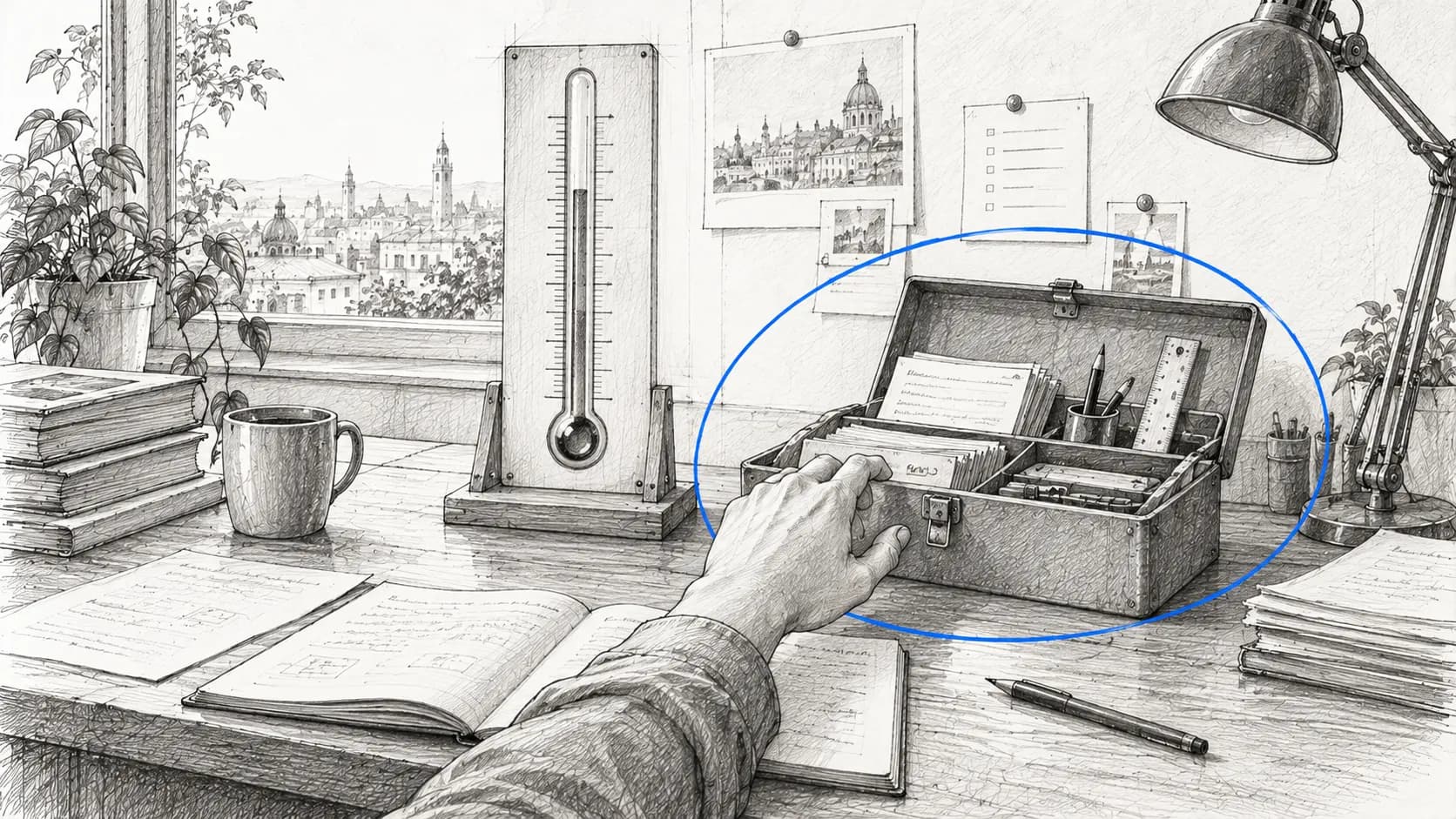
Most AI visibility tools are trackers: they run prompts across ChatGPT, Perplexity and Google and chart whether AI mentions you. That's useful, but a tracker is a thermometer. It reads the number and doesn't change it. Moving the number takes the work after the chart: finding the right questions, writing pages AI can quote, and getting mentioned where AI reads. Decide which of the two you're paying for.
- Most AEO tools do one job: run prompts and chart whether AI mentions you.
- Tracking is the easy part to build, so trackers compete mostly on price and engine coverage.
- Knowing you're invisible doesn't make you visible. The work starts where the dashboard ends.
- Tools that do the work are newer, and many do it for you on autopilot. Check what you're giving up.
The AEO tool market is mostly a tracker market
Open most AEO tools and they answer one question: are you mentioned? They run a set of prompts across ChatGPT, Gemini, Perplexity and Google, check whether your brand comes up, and chart it over time. Prices we checked in October 2026:
| Tool | Starts at | Entry plan |
|---|---|---|
| Otterly | $29/mo | 15 prompts on ChatGPT, Google AI Overviews, Perplexity and Copilot |
| HubSpot AEO | $50/mo | 25 prompts on ChatGPT, Gemini and Perplexity |
| Peec AI | $95/mo | 50 prompts, 3 models of your choice |
| Promptwatch | $95/mo | 50 prompts across 4 models. AEO articles start on the $245 plan. |
| Profound | Custom | Enterprise plans through sales |
There's nothing wrong with a tracker. Knowing your score is useful. But notice what it is: a thermometer. It reads the temperature. It doesn't change it.
Why trackers all look the same
Measuring AI visibility is a thin build: some prompts, some model calls and a chart. So trackers pile up, and the levers left are price and coverage, with a new, cheaper one arriving every few months. Our read: when a job is easy to build, it stops being the valuable part.
Knowing you're invisible doesn't make you visible
A tracker tells you that AI doesn't mention you for the questions that matter. Then it stops. The work that moves the number starts exactly there:
- Find the questions your buyers actually ask AI, grouped by topic.
- Write or fix pages that answer them clearly, with the answer up top.
- Get mentioned on the lists, reviews and threads AI reads.
- Re-check across many runs, because answers keep shifting.
It isn't only theory. In our test of 11 buyer questions, ChatGPT named the trackers that sit on the most “best tools” lists, and named zero of the tools that also help you write and fix content. Features don't get you recommended. Being on the pages AI reads does.
A few tools do the work, with a trade-off
A smaller, newer set of tools acts instead of measuring. Some help you write and fix pages. Others go further and run on autopilot: PushRank, for example, says it reads your Search Console, decides what to write, and publishes straight to your CMS. It was in beta when we looked in August 2026, and most of what's public about it is its own claim.
Which one should you pay for?
| If you want to… | Get… |
|---|---|
| Know where you stand, cheaply | A tracker. The entry plans above are fine. |
| Have an SEO team act on detailed data | A deeper tracker with source and gap analysis |
| Know exactly what to do next, and do it yourself | A tool that turns tracking into a step-by-step plan |
| Have content written and published for you | An autopilot tool, with the trade-offs above |
Selka sits in the third row, so weigh our view with that in mind. It starts from the topics your buyers ask about, tells you which pages to write and fix first, and includes an AI tracker to show whether it's working. For prices in more detail, read what AI visibility tools cost a small business or see how Selka compares.
Sources
- Selka: AI visibility tools compared, prices checked October 2026
- Selka research: our buyer prompt tests, October 8 to 9, 2026
Facts checked October 29, 2026. See all of our findings on the research page.