blog / AEO basics
How to get your business recommended by ChatGPT: a step-by-step plan
Updated October 19, 2026 · 9 min read · By the Selka research team
short answer
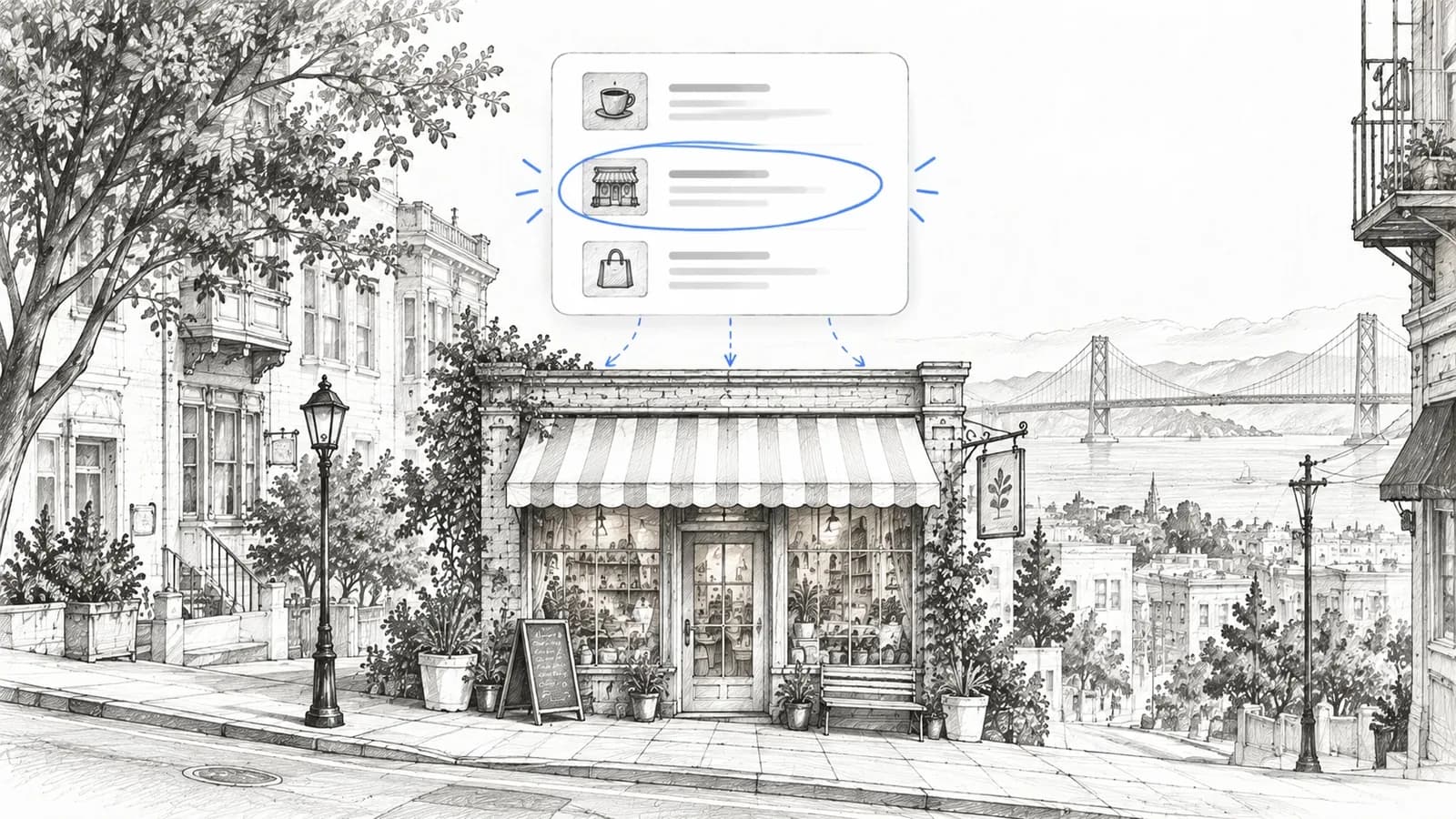
ChatGPT recommends businesses that the web describes clearly and often for a specific need. To get named: find the buying questions people ask about your category, give each one a page with a direct answer up top, get mentioned on the threads, reviews and lists AI reads, make sure AI crawlers can read your site, and track a few real questions over time. Nobody can guarantee a recommendation.
- Start with buying questions (“best X for Y”, “X vs Y”), not broad topics.
- Put the direct answer in your first lines. AI reads pages in chunks and favours clear, specific text.
- Mentions on other sites matter: brand mentions track AI visibility more closely than backlinks.
- Check that GPTBot and OAI-SearchBot can reach your pages and that your text doesn't need JavaScript.
- Track real questions across many runs. One check tells you almost nothing.
How ChatGPT decides who to recommend
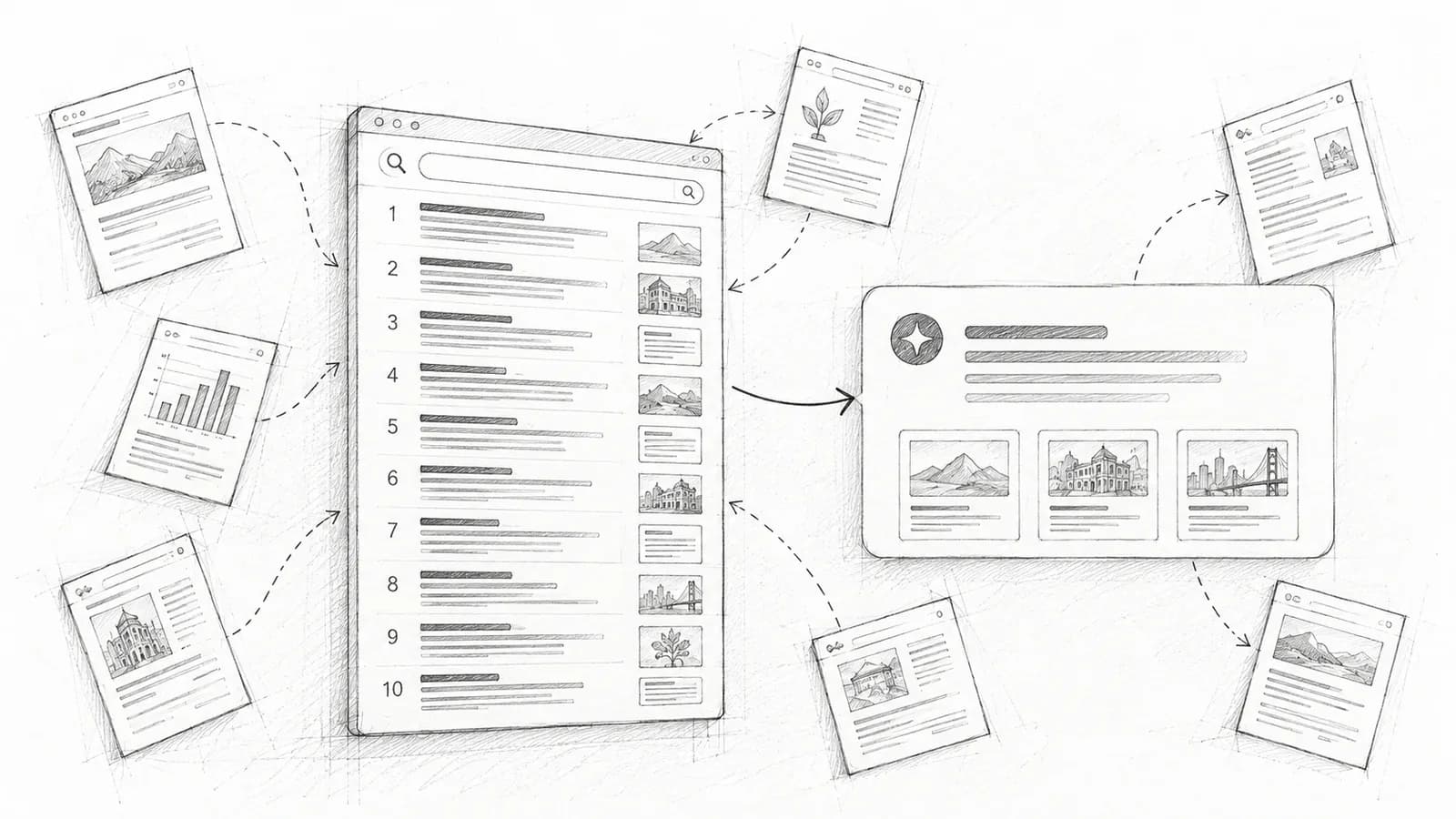
When someone asks “what's the best CRM for a 2-person startup?”, ChatGPT often searches the web first, sometimes running several smaller searches at once. It reads the pages it finds, then names the businesses those pages describe most clearly and most often for that exact need.
So two things decide whether you're named: what your own pages say, and what other pages say about you. You need both.

Step 1: Find the questions buyers ask
Start with buying questions, not broad topics. These are the ones closest to a sale: “best [product] for [type of customer]”, “[you] vs [competitor]”, “[competitor] alternative”, “how much does [product] cost for [situation]”.
Group them into topics, and check the real search demand behind each topic. Don't trust “prompt volume” numbers: they're estimates. We explain why in AI prompt volume: why every number is an estimate.
Step 2: Give each question a page that answers it first
AI reads pages in chunks and lifts the clearest answer it can find. Four rules make that answer yours:
- Answer first. Put the direct answer in the first lines of the page and of each section. Background comes after.
- Make every section stand alone.Each heading's section should make sense on its own, because AI may quote just that part.
- Be specific.Name products, prices, people, places and use cases. “Simple CRM for 2-person teams, $24 a month” beats “a powerful solution for growing businesses”.
- Write short, plain sentences.“Acme helps 2-person sales teams track deals” is easier to quote than a long sentence full of clauses.
Add facts AI can quote: prices in plain text, a comparison table, and a short FAQ. Keep money pages fresh. Ahrefs found AI assistants cite noticeably newer pages than Google's regular results do.
Step 3: Get mentioned where AI looks
AI trusts what other people say about you more than what you say about yourself. Three kinds of mentions matter:
| Type | Examples | How to earn it |
|---|---|---|
| Editorial | “Best X” lists, review sites, industry articles | Ask to be included, offer real data, make reviewing you easy. |
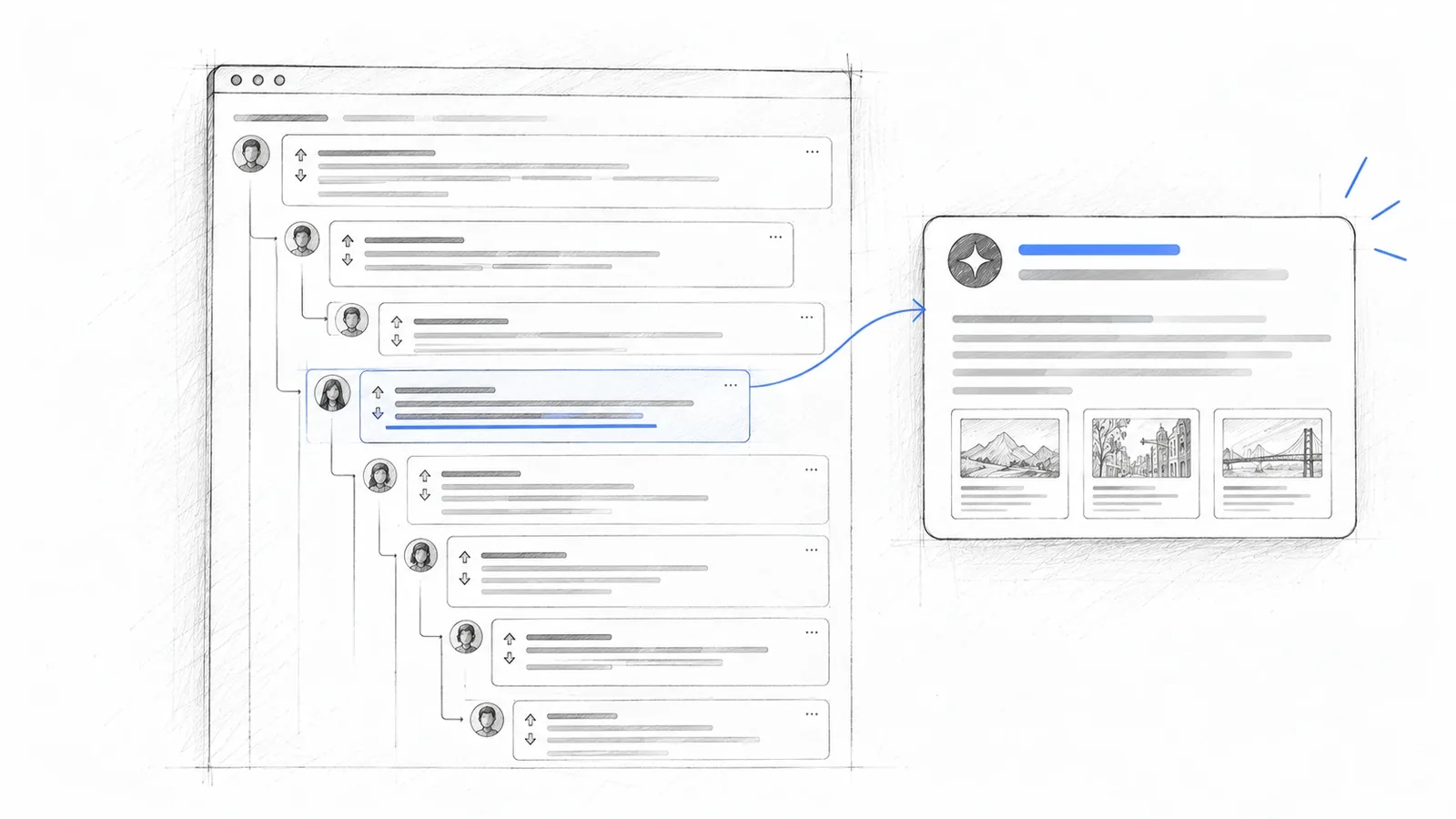
| Community | Reddit threads, YouTube reviews, forums | Answer real questions helpfully, as yourself, and disclose who you are. |
| Your own | Your site, docs, help center, social profiles | Keep facts consistent everywhere: name, price, what you do and who for. |
This matters more than most founders think. Across 75,000 brands, Ahrefs found brand mentions on the web tracked AI Overview visibility far more closely than backlinks did. For the community side, read how to use Reddit for AI visibility without getting banned.
Step 4: Make sure AI can read your site
- Allow AI crawlers.Check robots.txt doesn't block OAI-SearchBot and GPTBot (OpenAI), PerplexityBot or ClaudeBot.
- Don't hide text behind JavaScript.Some AI crawlers don't run it. Turn JavaScript off in your browser and reload your key pages: if the text is gone, AI may not see it either.
- Keep pages fast and the HTML clean. One H1, sensible headings, real lists and tables.
- Add structured data for your organization, products and FAQs.
Step 5: Track it honestly
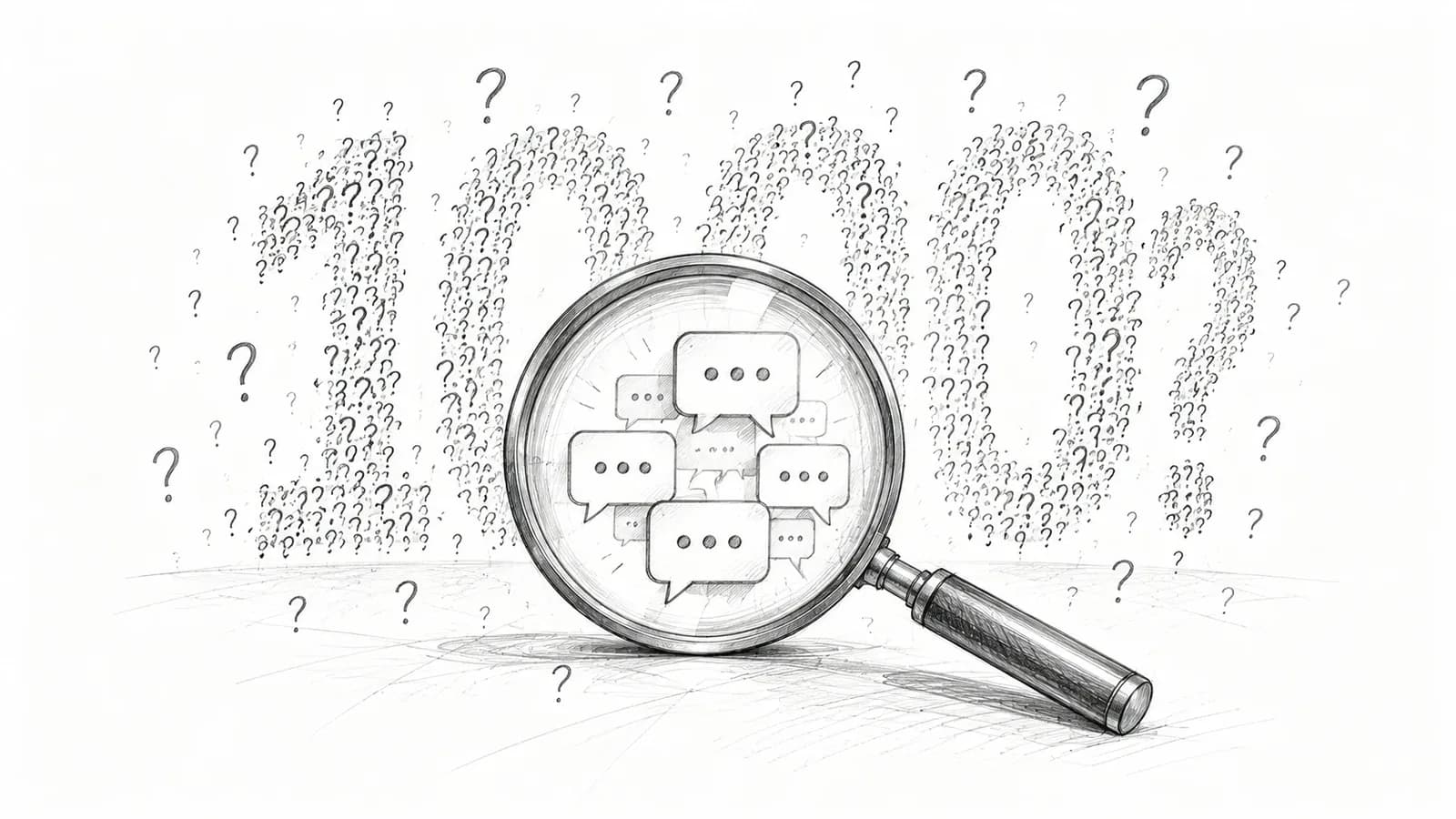
AI answers change constantly. SparkToro and Gumshoe found the same prompt returns the same list of brands less than 1 time in 100. So checking ChatGPT once tells you almost nothing.
Pick 7 to 8 real buyer questions per topic and ask them many times, across ChatGPT, Perplexity and Google AI Overviews. Watch how often you're named, in what position, and which pages get cited. Our AI tracker does this with the run count beside every number.
The order that works for a small business
- Money pages first: pricing, alternatives, comparisons, your main product page.
- Then one topic at a time, from the first question a buyer asks to the page that sells.
- Off-site mentions alongside, starting with the threads and lists AI already cites.
- Track, adjust, repeat.
If you want the plan done for you, Selka finds the questions, tells you which pages to write and fix, and shows when AI starts naming you.
Sources
- Ahrefs: Only 12% of AI-cited URLs rank in Google's top 10 (Aug 2025)
- Ahrefs: Brand mentions and AI Overview visibility, 75,000 brands (May 2025)
- Ahrefs: Do AI assistants prefer fresh content? (July 2025)
- Search Engine Land: AI recommendation lists rarely repeat (SparkToro and Gumshoe)
- OpenAI: Overview of OpenAI crawlers
Facts checked October 19, 2026. See all of our findings on the research page.