blog / AEO basics
Do Google rankings still matter for AI answers? What the data says (October 2026)
Updated October 19, 2026 · 7 min read · By the Selka research team
short answer
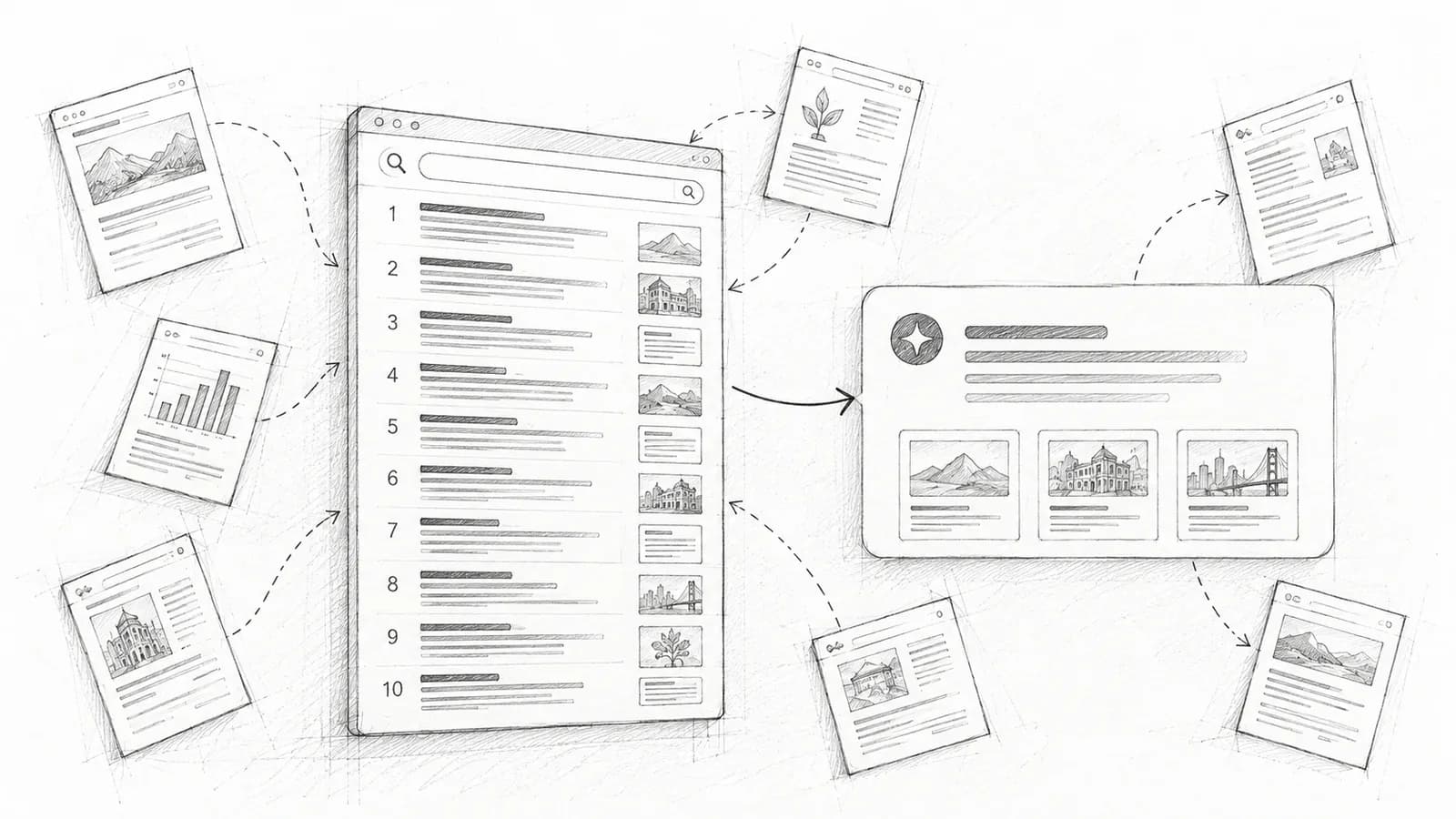
Yes, but less than before, and not in the way most people think. AI engines run several smaller searches behind one question, so they often cite pages that rank for those smaller questions rather than the main one. Ranking helps you get found in the first place. Getting cited depends on answering the specific sub-questions clearly, and on being mentioned on the pages AI reads.
- Only 12% of pages cited by ChatGPT, Gemini and Copilot rank in Google's top 10 for the same prompt.
- Google AI Overview citations from the top 10 fell from 76% to 38% between July 2025 and March 2026.
- Ranking still helps: higher-ranking pages are cited more often than pages outside the top 20.
- Write pages that answer the smaller questions behind the big one, and earn mentions elsewhere.
The three numbers everyone quotes, and what they mean
| Finding | Source | What it really says |
|---|---|---|
| 12% of AI-cited pages rank top 10 for the same prompt | Ahrefs, Aug 2025, 15,000 prompts | Covers ChatGPT, Gemini and Copilot. Perplexity was about 1 in 3. |
| AI Overview citations from the top 10: 76%, then 38% | Ahrefs, July 2025 and Mar 2026 | Partly a real change, partly better measurement on 4M URLs. |
| Rank #1 pages are cited far more than pages outside the top 20 | AirOps fan-out report, 2026 | Ranking still raises your odds. It just doesn't decide them. |
Read together, they say the same thing: ranking helps you get found, but it doesn't decide whether you get cited.
Why AI cites pages that don't rank for the question
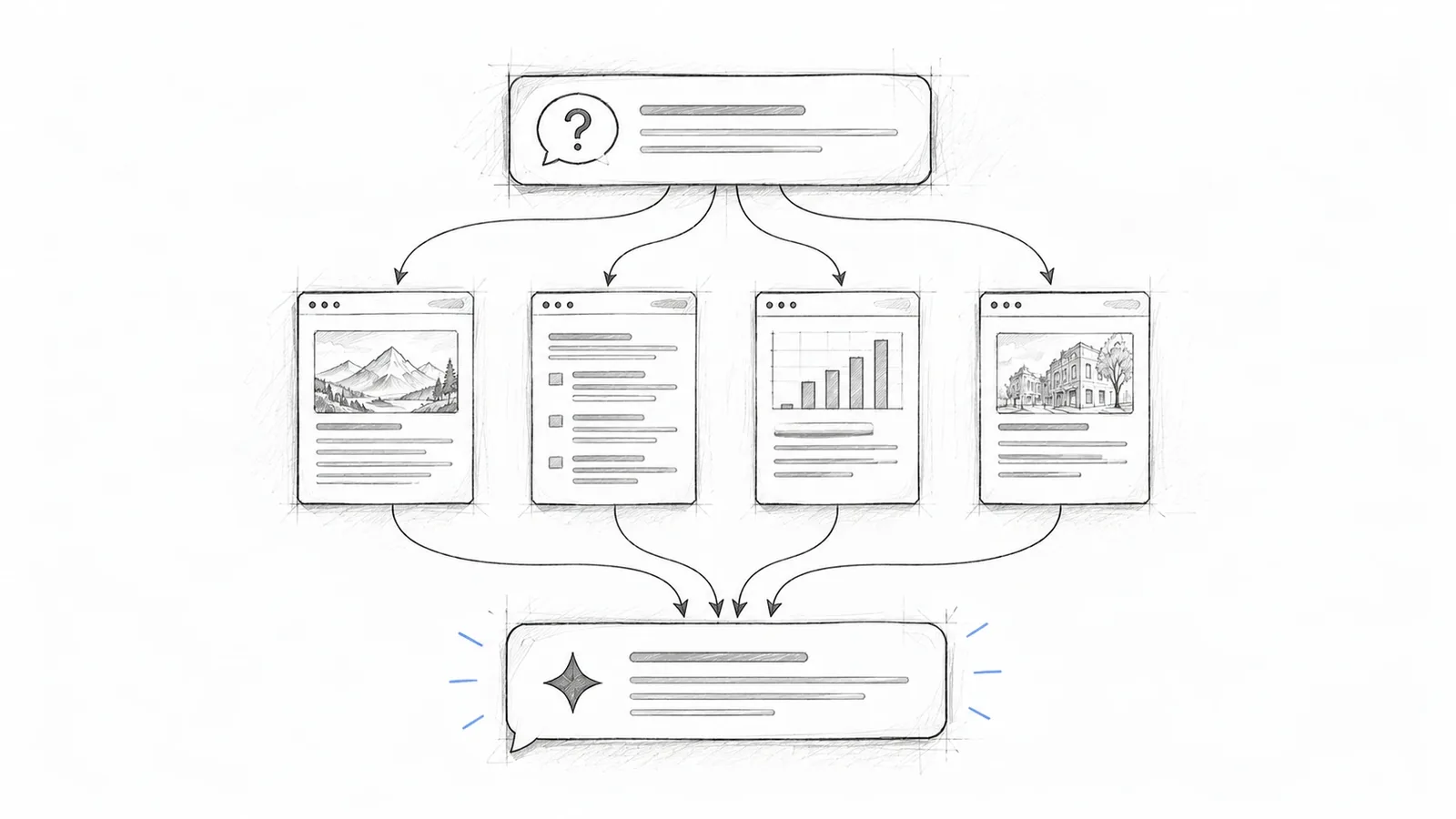
AI engines don't just search your exact question. They break it into several smaller searches, a technique called query fan-out, then build the answer from what those searches return. Google's own documentation says AI Overviews and AI Mode may issue multiple related searches across subtopics.
So for “best CRM for a 2-person startup”, an engine might also search “cheapest CRM for 2 users”, “HubSpot free plan limits” and “Pipedrive vs HubSpot for startups”. A page that clearly answers one of those can be cited even if it ranks nowhere for the main question.
What to do about it
- Keep the SEO basics. Being findable in search is still the way in. Fast pages, clean HTML, sensible titles and internal links.
- Answer the sub-questions. List the smaller questions behind each buyer question and make sure a page answers each one clearly, with the answer up top.
- Use descriptive titles and URLs. Pages whose titles and URLs match the specific sub-question are easier for AI to pick.
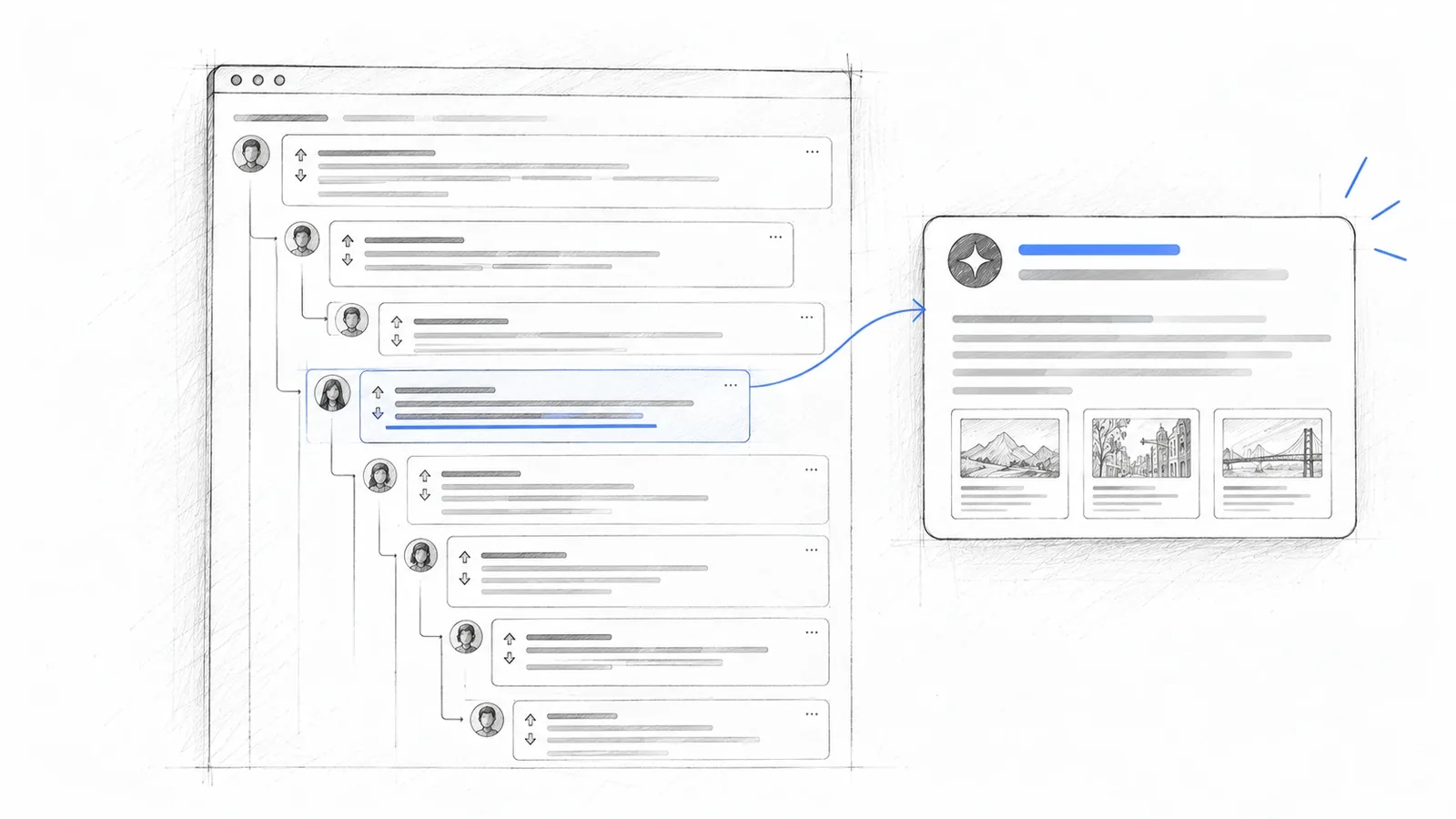
- Get mentioned on the pages AI reads. Lists, reviews and community threads. Brand mentions track AI visibility more closely than backlinks.
- Measure AI answers directly. Track real buyer questions across engines and many runs, not just keyword positions.
Selka is built around this: research finds the topics and the questions inside them, on-site scores every page separately for Google and for AI, and the AI tracker shows which pages AI actually cites. For the step-by-step version, read how to get your business recommended by ChatGPT.
Sources
- Ahrefs: Only 12% of AI-cited URLs rank in Google's top 10 (Aug 2025)
- Ahrefs: 76% of AI Overview citations pull from the top 10 (July 2025)
- Ahrefs: Update, 38% of AI Overview citations pull from the top 10 (Mar 2026)
- AirOps: The fan-out effect report (2026)
- Search Engine Journal: Query fan-out in AI Mode, new details from Google
Facts checked October 19, 2026. See all of our findings on the research page.