blog / AEO basics
How AI decides who to cite: there's no rank, only odds
Updated October 29, 2026 · 5 min read · By the Selka research team
short answer
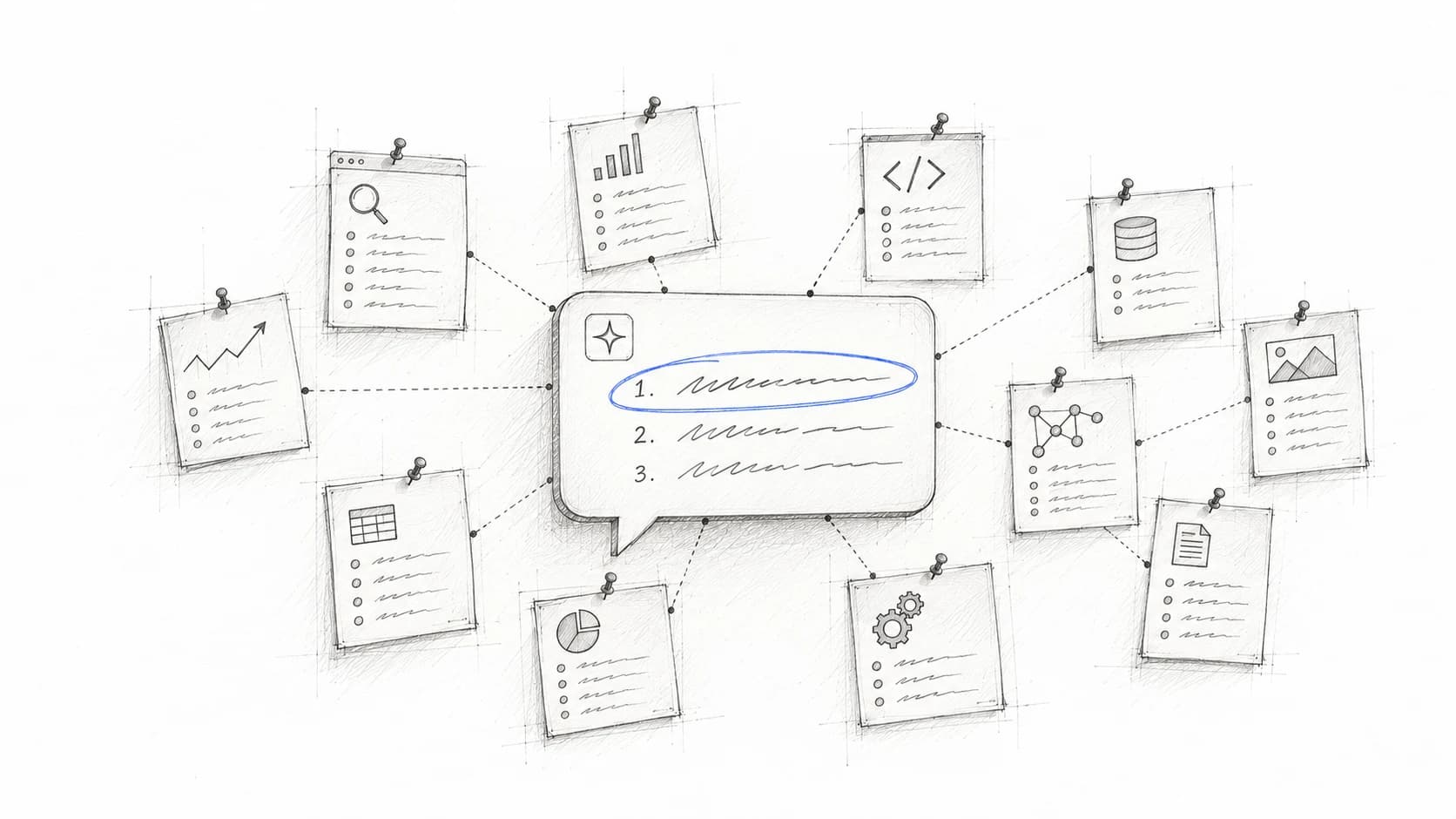
AI engines don't hold a ranking you can win. Each answer draws on what the model already learned and what it finds when it searches the web live, and it changes from run to run. So you have a probability of being cited, not a position. You raise it by being mentioned widely on pages AI trusts, and by having pages that are easy to find and quote when it searches.
- There is no fixed position in AI answers. Answers change from run to run, so you have odds, not a rank.
- Answers come from two places: what the model learned in training, and what it finds searching live.
- Where you're mentioned matters as much as how often. Independent editorial pages carry the most weight.
- Optimize for a whole topic, not one keyword. No one can guarantee a citation.
There is no rank. There is a probability.
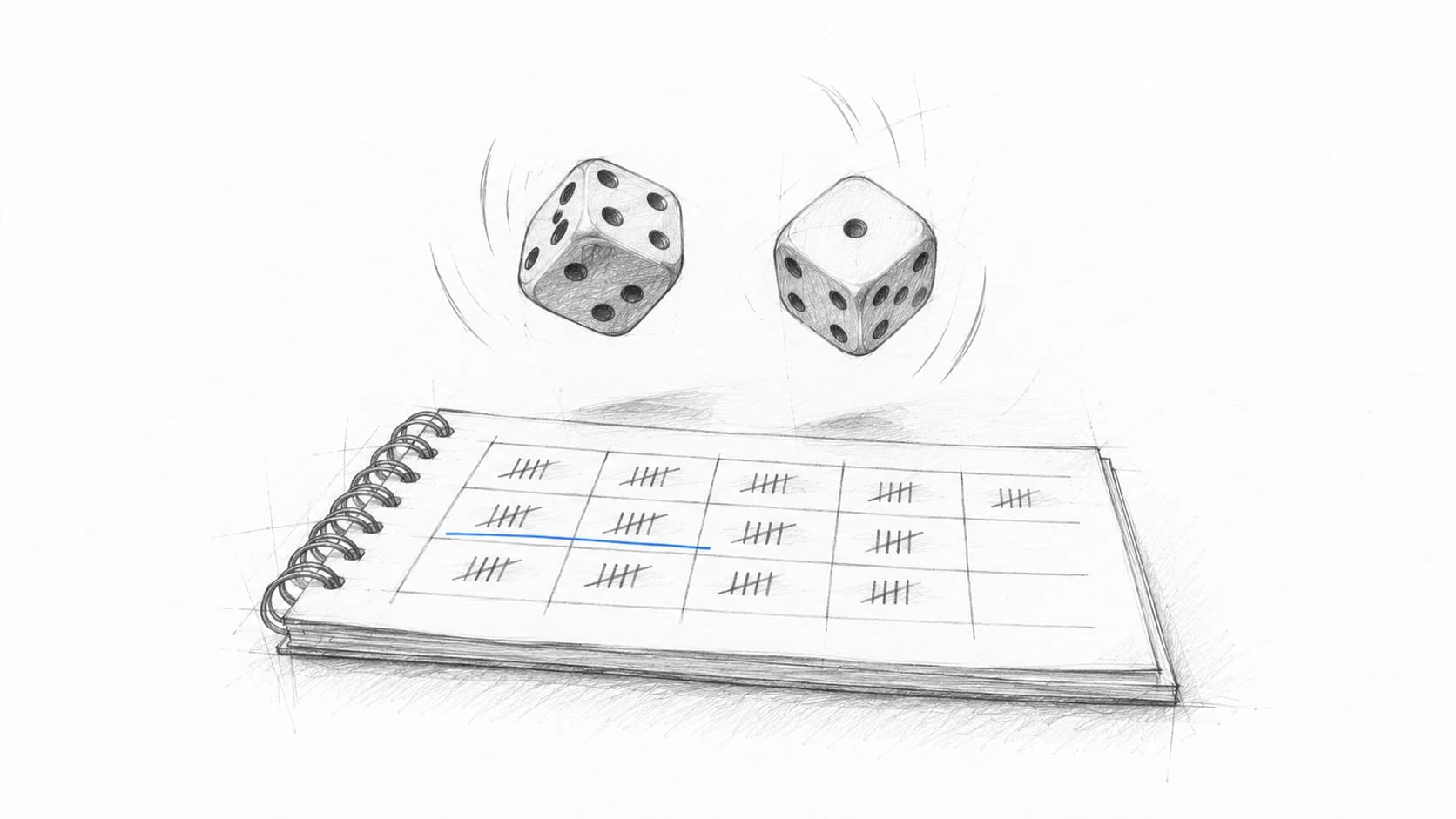
Ask an AI the same question twice and you can get different brands and different sources. That isn't a bug. The model generates each answer from many it could give, and settings like temperature control how much it varies. In SparkToro's study with Gumshoe, two runs of the same prompt returned the same list of brands less than 1 time in 100.
So there's no slot to hold and no position one to win. What you have is a probability of showing up.That's why the goal is AI visibility, not AI rank: being a likely answer across many runs of the same question.
The answer comes from two very different places
- Training data.The books, sites and transcripts the model already learned. It updates slowly, in big releases, and you can't edit it. You get into it by being mentioned so widely across the web that the model simply knows you.
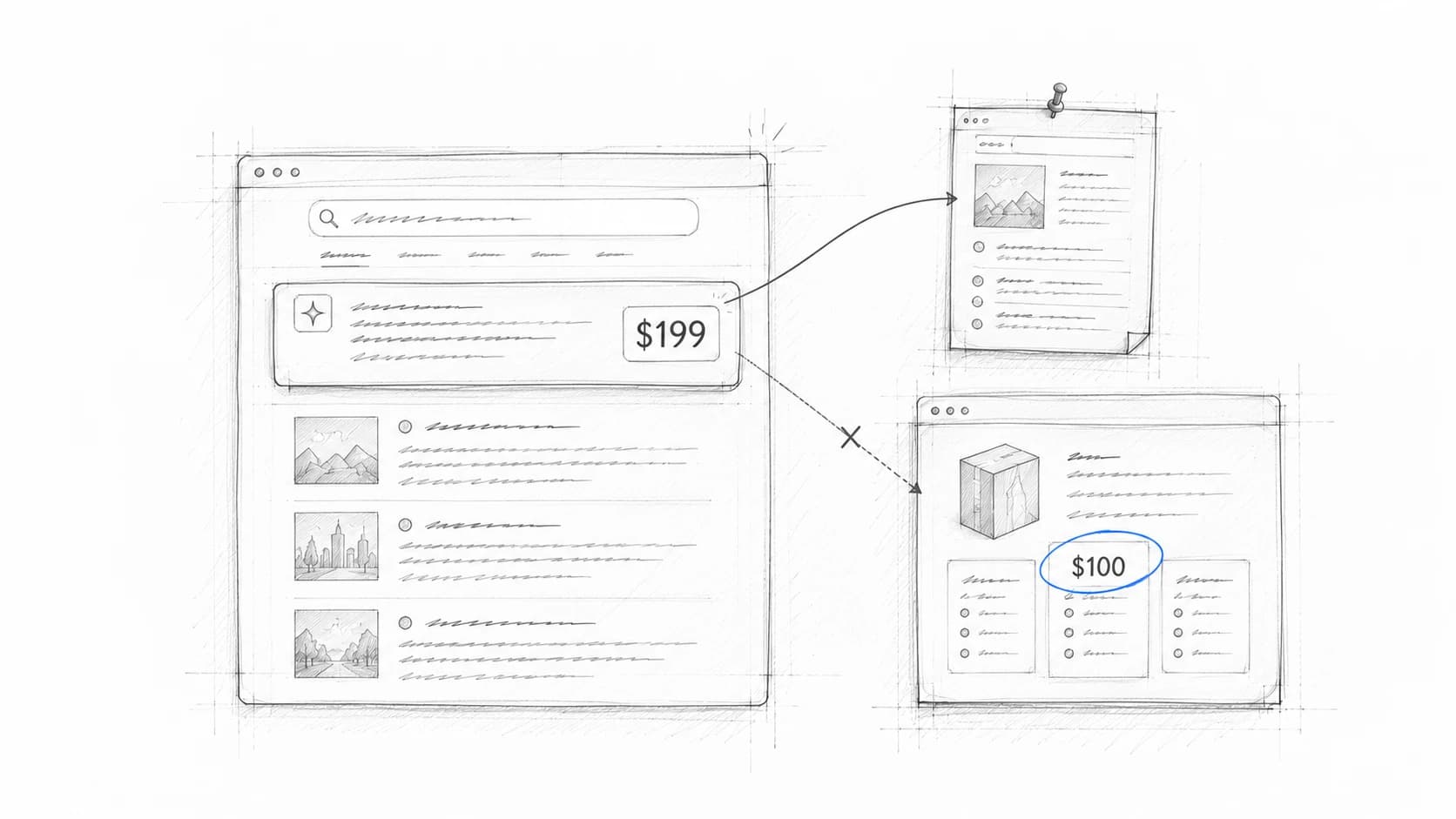
- Live search. With search on, the model looks up the web while it answers and reads fresh pages. This is where classic SEO comes back: be findable, readable and relevant when the model looks.
So getting cited is two games at once: be known across the web, and be findable when the model searches. Live search also splits one question into several smaller searches, which we explain in do Google rankings still matter for AI answers.
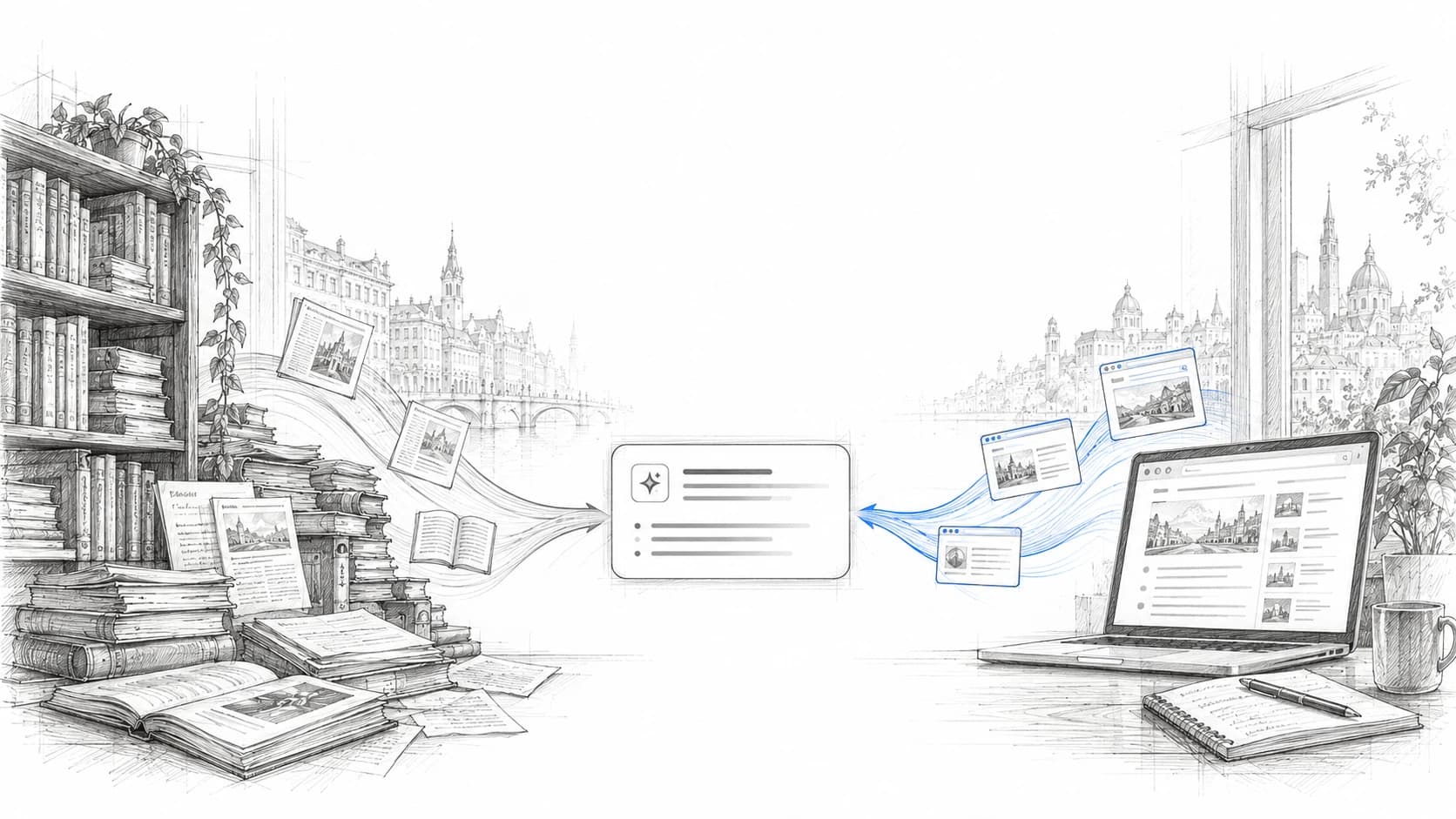
Where you're mentioned matters as much as how often
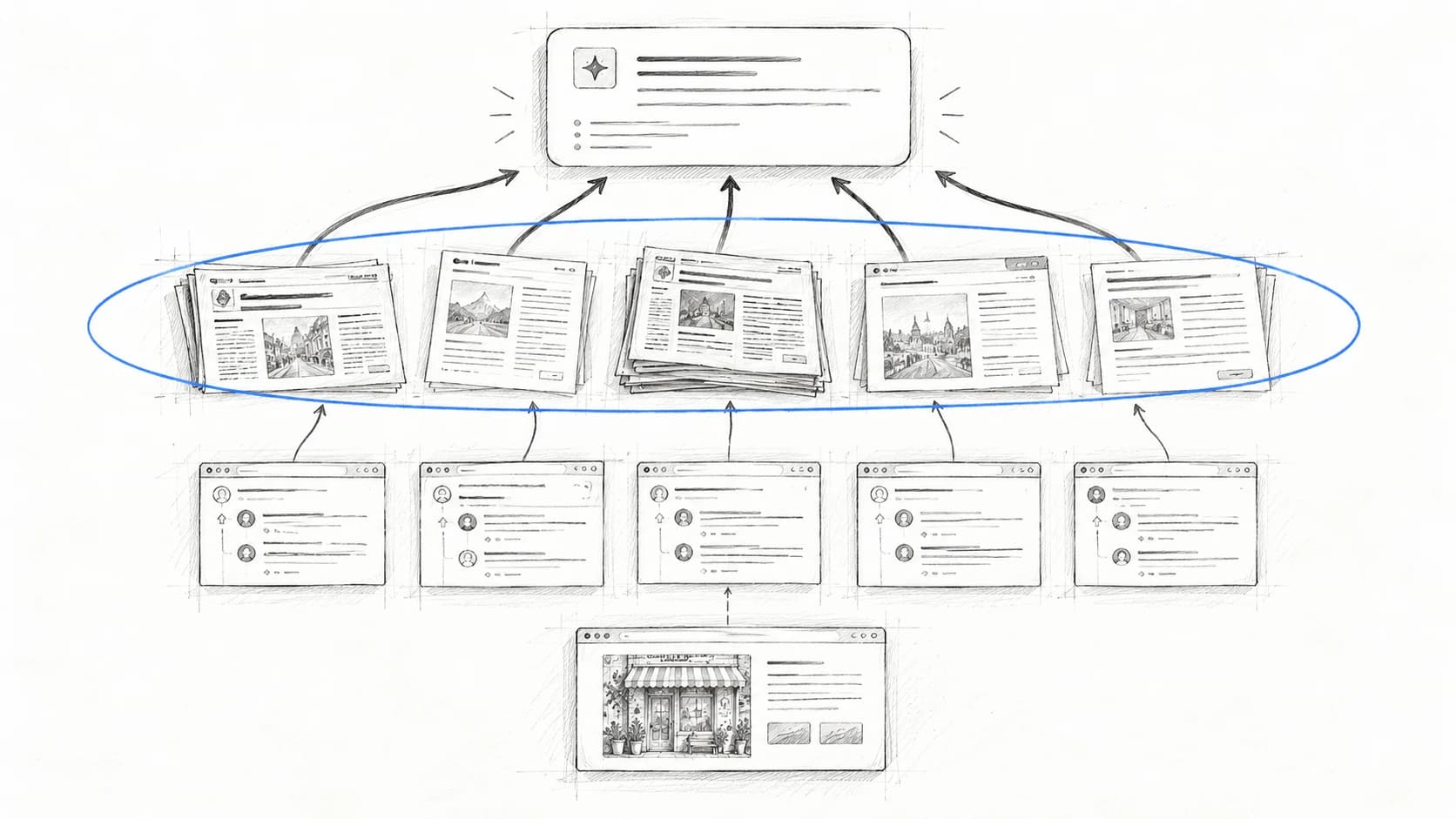
It isn't only whether you're mentioned. It's where. In our research, mention sources fall into three tiers:
- Independent editorial pages: publications, reviews and well-known lists writing about you. The strongest.
- Community platforms: Reddit threads and forums. Next. See our Reddit guide.
- Your own properties: your site and your profiles. The weakest, because anyone can say anything about themselves.
The data backs the idea that mentions matter more than links. In Ahrefs' study of 75,000 brands, web mentions correlated with AI Overview visibility far more strongly (0.664) than backlinks did (0.218). That's a correlation, not proof of cause, but it fits: one mention in a trusted review can do more than ten on your own site.
Optimize for the topic, not the keyword
The old move, one page for one keyword, doesn't fit a system without ranks. Aim for visibility across a whole topic: be mentioned in trusted places, be findable when the model searches, and answer the questions around your subject, not one search term. Then measure it as a rate, across many runs.
That's how Selka is built: research finds the topics your buyers ask about, off-site finds the pages AI trusts, and the AI tracker shows whether your odds are going up.
Sources
- Ahrefs: AI Overview brand visibility factors, 75,000 brands (May 2025)
- Search Engine Journal: AI recommendations change with nearly every query (SparkToro)
Facts checked October 29, 2026. See all of our findings on the research page.